
Understanding FODMAP
Scientifically proven dietary approach to managing IBS and digestive symptoms through targeted carbohydrate management
What is FODMAP?
FODMAP is an acronym for Fermentable Oligosaccharides, Disaccharides, Monosaccharides, and Polyols – a group of short-chain carbohydrates that are poorly absorbed in the small intestine. These compounds are found naturally in many foods and can cause digestive discomfort in sensitive individuals.
The FODMAP approach was developed by researchers at Monash University in Melbourne, Australia, based on extensive clinical research showing that reducing these specific carbohydrates can significantly improve symptoms of Irritable Bowel Syndrome (IBS) and other functional gastrointestinal disorders.
When FODMAPs reach the large intestine undigested, they are fermented by gut bacteria, producing gas and drawing water into the bowel. This process can lead to symptoms including bloating, abdominal pain, excessive gas, and altered bowel movements – all common complaints in IBS patients.
Scientific Foundation
Over 20 peer-reviewed studies have demonstrated the effectiveness of the low-FODMAP diet, with success rates of 70-80% of patients experiencing significant symptom improvement when following the protocol correctly.
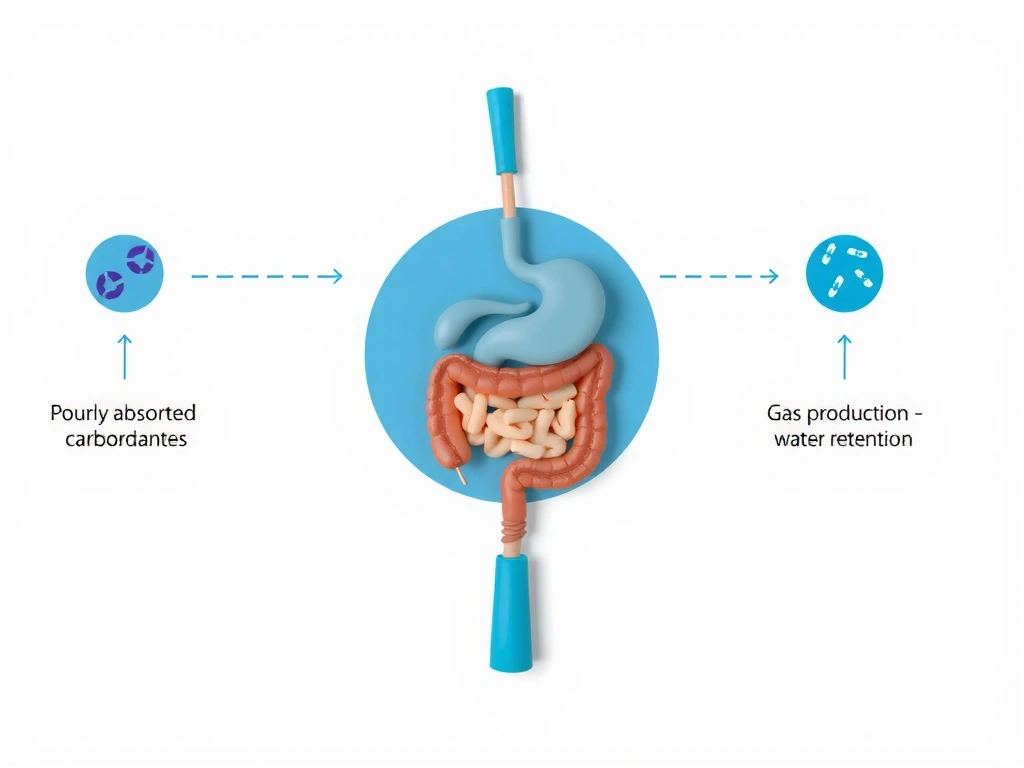
FODMAP Absorption Process
The Three-Phase FODMAP Approach
A structured, medically supervised dietary intervention designed to identify trigger foods and develop personalized long-term management strategies
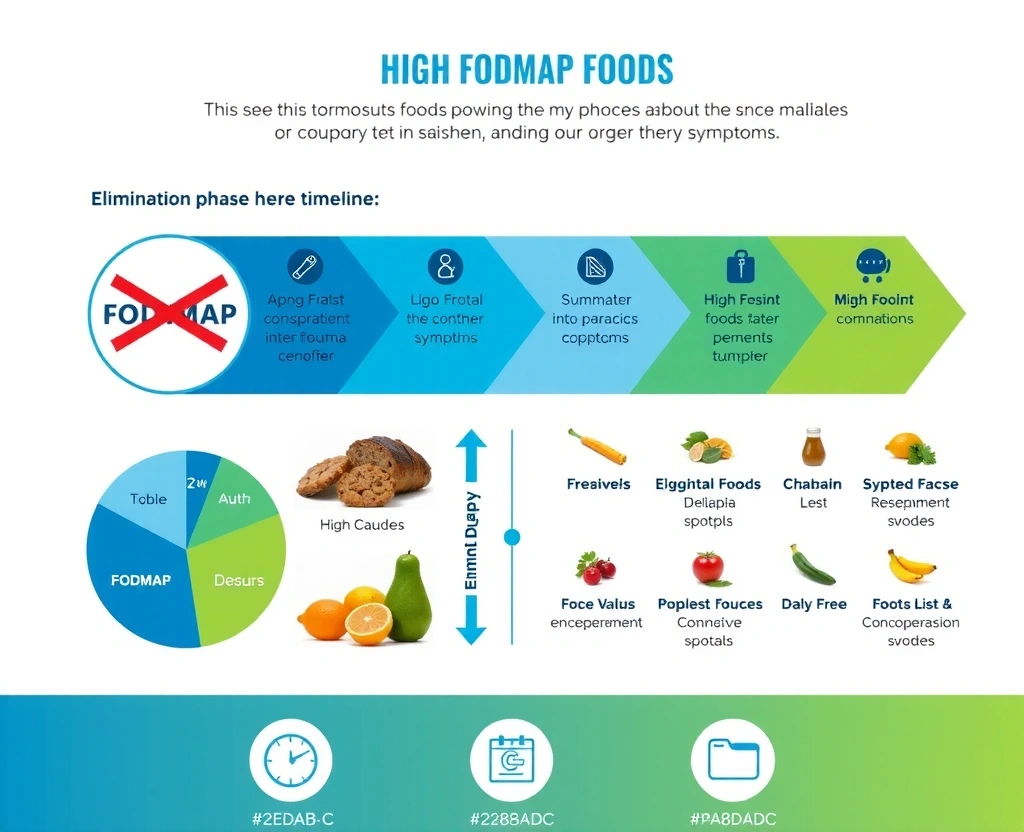
Elimination Phase
Duration: 4-6 weeks
Goal: Reduce overall FODMAP load to allow gut symptoms to settle
During this phase, high-FODMAP foods are systematically removed from the diet. This doesn't mean complete elimination of all FODMAP-containing foods, but rather consuming them in portion-controlled amounts that stay below individual tolerance thresholds.
Many patients begin experiencing symptom relief within the first 1-2 weeks, though complete symptom resolution may take 3-6 weeks depending on the severity of gut inflammation and sensitivity.
Important: This phase must be supervised by a qualified dietitian to ensure nutritional adequacy and prevent unnecessary food restrictions.
Reintroduction Phase
Duration: 6-8 weeks
Goal: Systematically test individual FODMAP groups to identify specific triggers
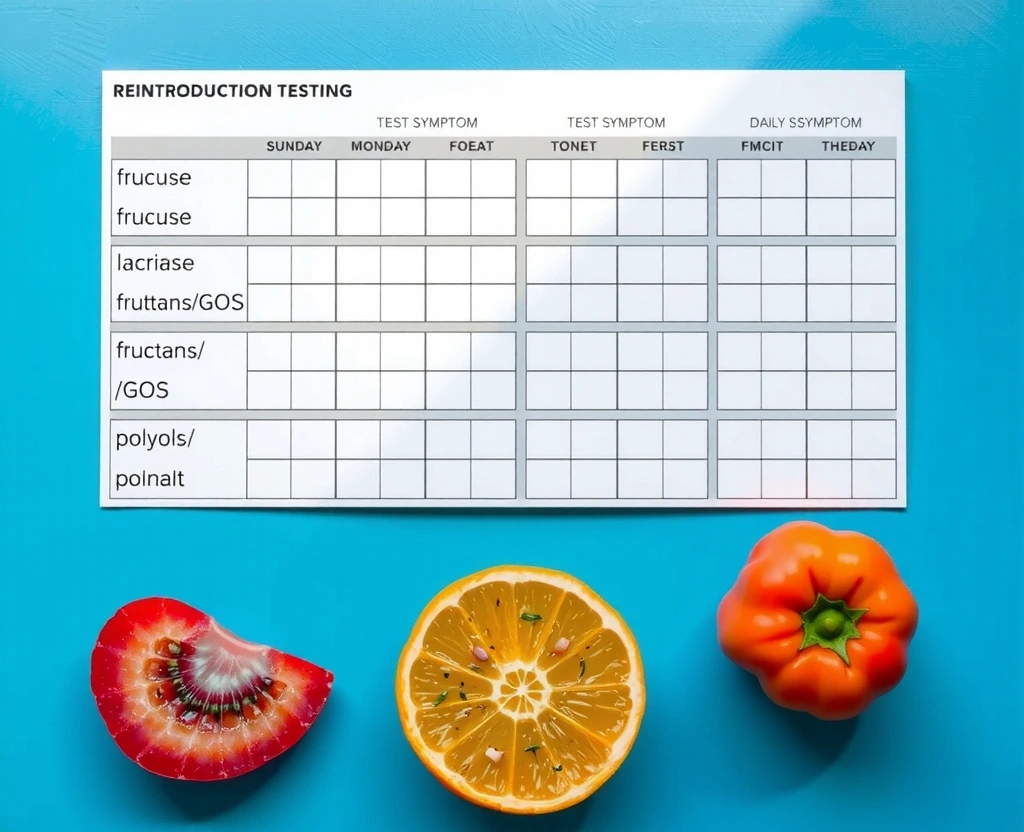
This critical phase involves carefully reintroducing specific FODMAP groups one at a time while monitoring symptoms. Each FODMAP group is tested over 3 days: one test day followed by a 3-day washout period.
The four main groups tested are: Fructose, Lactose, Fructans & Galacto-oligosaccharides (GOS), and Polyols. This systematic approach helps identify which specific carbohydrates trigger symptoms in each individual.
Tip: Keep detailed food and symptom diaries during reintroduction to identify patterns and trigger thresholds.
Personalization Phase
Duration: Ongoing
Goal: Develop sustainable long-term dietary management strategy
Based on reintroduction results, a personalized diet is created that includes tolerated foods while limiting individual trigger FODMAPs. This isn't a permanent restriction but a tailored approach that allows for dietary variety and social flexibility.
Research shows that most individuals can tolerate small portions of previously problematic FODMAPs when consumed occasionally, making the diet sustainable for long-term use without compromising nutritional intake or quality of life.
Success: Most people can successfully reintroduce 50-80% of previously restricted foods at specific portion sizes.
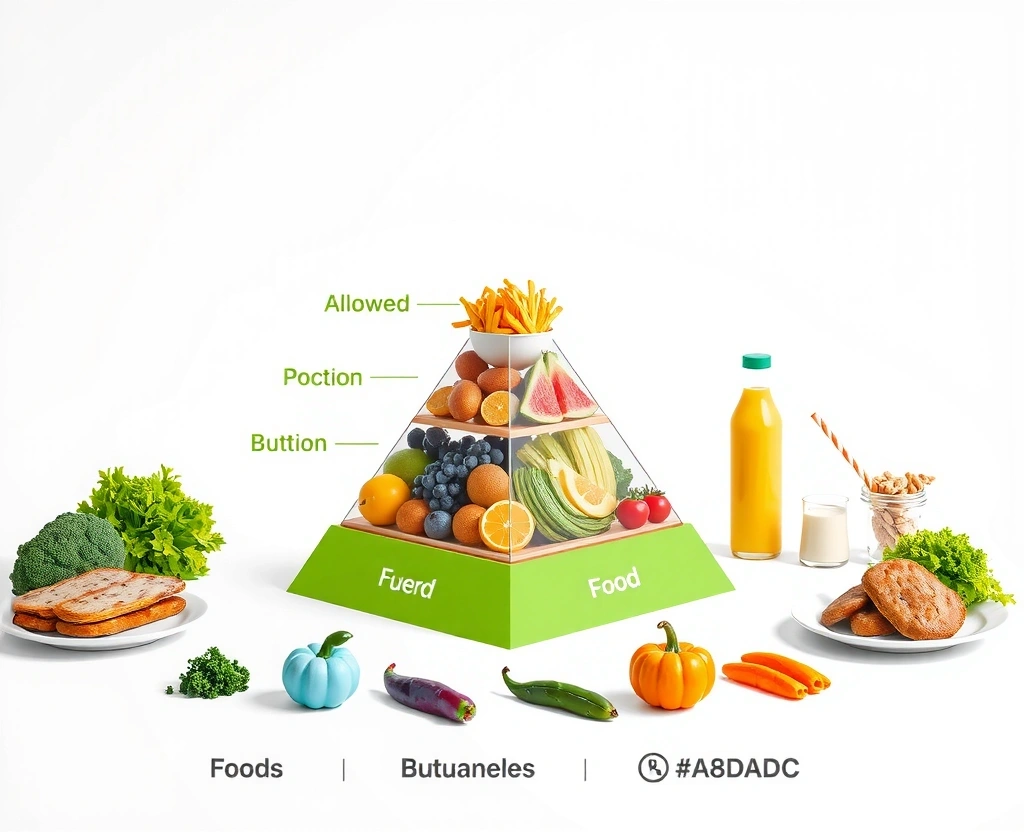
High vs Low FODMAP Foods
Essential guide to identifying and managing FODMAP content in common foods, with practical substitution strategies for balanced nutrition
High FODMAP Foods
Fruits
- • Apples (high in fructose & polyols)
- • Pears (high in fructose & polyols)
- • Mangoes (high in fructose)
- • Watermelon (high in polyols)
- • Dried fruits (concentrated FODMAPs)
Vegetables
- • Onions & Garlic (high in fructans)
- • Asparagus (high in fructose)
- • Cauliflower (high in polyols)
- • Mushrooms (high in polyols)
- • Artichokes (high in fructans)
Grains & Starches
- • Wheat products (high in fructans)
- • Rye (high in fructans)
- • Barley (high in fructans)
- • Inulin/FOS supplements
Low FODMAP Foods
Fruits
- • Bananas (unripe - low FODMAP)
- • Blueberries (small portions)
- • Strawberries (small portions)
- • Citrus fruits (orange, lemon)
- • Grapes (small portions)
Vegetables
- • Carrots & Tomatoes
- • Bell peppers & Zucchini
- • Spinach & Lettuce
- • Cucumber & Potatoes
- • Green beans & Broccoli
Grains & Proteins
- • Rice (all varieties)
- • Quinoa & Oats
- • Gluten-free products
- • Fresh meats & fish
- • Most nuts (in small portions)
Smart Substitutions
Cooking & Flavor
Replace high-FODMAP flavor enhancers:
- ✓ Garlic oil (infused)
- ✓ Asafoetida powder
- ✓ Chives & Green onions (green tops)
- ✓ Fresh herbs (basil, oregano)
- ✓ Lemon/lime zest
Baking Alternatives
Low-FODMAP flour options:
- ✓ Almond flour
- ✓ Rice flour & Buckwheat
- ✓ Coconut flour
- ✓ Oat flour (certified GF)
Portion Control
Many foods become low-FODMAP in small portions:
- • 1/4 avocado (not 1/2)
- • 10-15 almonds (not handful)
- • 1/2 cup milk (not full cup)
Indonesian Cuisine Adaptations
Traditional Indonesian ingredients can be successfully adapted for a low-FODMAP diet while maintaining authentic flavors and nutritional benefits.
Sambal & Spices
Use chili powder instead of fresh chilies, turmeric, ginger, and lemongrass
Rice & Noodles
Jasmine rice, rice noodles, and vermicelli are naturally low-FODMAP
Proteins
Fresh fish, chicken, tofu (firm), tempeh, and eggs are excellent choices
Vegetables
Bean sprouts, bok choy, spinach, and cucumbers work well in stir-fries
Success Stories & Testimonials
Real experiences from individuals who have successfully implemented the FODMAP approach to transform their digestive health and quality of life
Sarah M.
Marketing Executive, 32
"After 15 years of managing IBS symptoms with medications that provided only temporary relief, the FODMAP approach gave me my life back. Within 3 weeks of starting the elimination phase, my chronic bloating and abdominal pain disappeared completely."
Key Outcome: 90% symptom reduction in 6 weeks
James T.
Teacher, 28
"I was skeptical at first, but the systematic approach really works. The reintroduction phase helped me understand exactly which foods trigger my symptoms. I can now enjoy most foods in moderation without fear of a flare-up."
Key Outcome: Successfully reintroduced 75% of foods
Maria R.
Nurse, 35
"Working night shifts was a nightmare with IBS. The FODMAP diet taught me which foods provide sustained energy without causing digestive issues. My sleep quality improved dramatically when I stopped having late-night symptoms."
Key Outcome: Improved work performance and sleep quality
David L.
Software Engineer, 41
"The personalized approach was a game-changer. Unlike restrictive elimination diets I'd tried before, FODMAP allowed me to maintain my active lifestyle while identifying my specific triggers. I've been symptom-free for 8 months now."
Key Outcome: Long-term symptom management achieved
Lisa K.
Chef, 29
"As a chef, I thought the FODMAP diet would end my career. Instead, it enhanced my understanding of ingredients and opened up new culinary possibilities. I now create low-FODMAP dishes that my customers love."
Key Outcome: Professional skills enhanced, career thriving
Emma W.
Student, 22
"Managing IBS during university was challenging until I discovered FODMAP. The structured approach gave me confidence in food choices, and I no longer worry about studying or socializing because of digestive symptoms."
Key Outcome: Academic performance and social life improved
Clinical Success Statistics
Based on peer-reviewed research and patient outcomes from FodmapFriendly's clinical programs
Experience significant symptom improvement within 6 weeks
Achieve long-term symptom management without medications
Report improved quality of life and social confidence
Would recommend the FODMAP approach to others with IBS
Ready to Begin Your FODMAP Journey?
Start with our comprehensive resources and professional guidance to ensure safe and effective implementation of the FODMAP approach
Essential Resources
Professional Consultation
Work with certified FODMAP-trained dietitians for personalized guidance and meal planning
Comprehensive Food Database
Access our detailed FODMAP content database with portion guidelines and serving recommendations
Recipe Collections
Discover delicious low-FODMAP recipes adapted for various cuisines and dietary preferences
Important Medical Disclaimer
The FODMAP approach should be implemented under the guidance of a qualified healthcare professional, particularly for individuals with complex medical conditions or those taking medications for digestive disorders.
Always consult with your healthcare provider before beginning any new dietary intervention, especially if you have a history of eating disorders, malnutrition, or are taking medications that may interact with dietary changes.
Get Started Today
Contact Information
FodmapFriendly Ltd
42 King Street, London, Greater London, SW1Y 6RP, United Kingdom
Mon-Fri: 9:00-17:00
Sat: 10:00-14:00